The field guide
Everything polo.
The oldest team sport in the world — its origins, its rules, its handicap, its many variants, and the traditions that make a match feel like a ceremony.
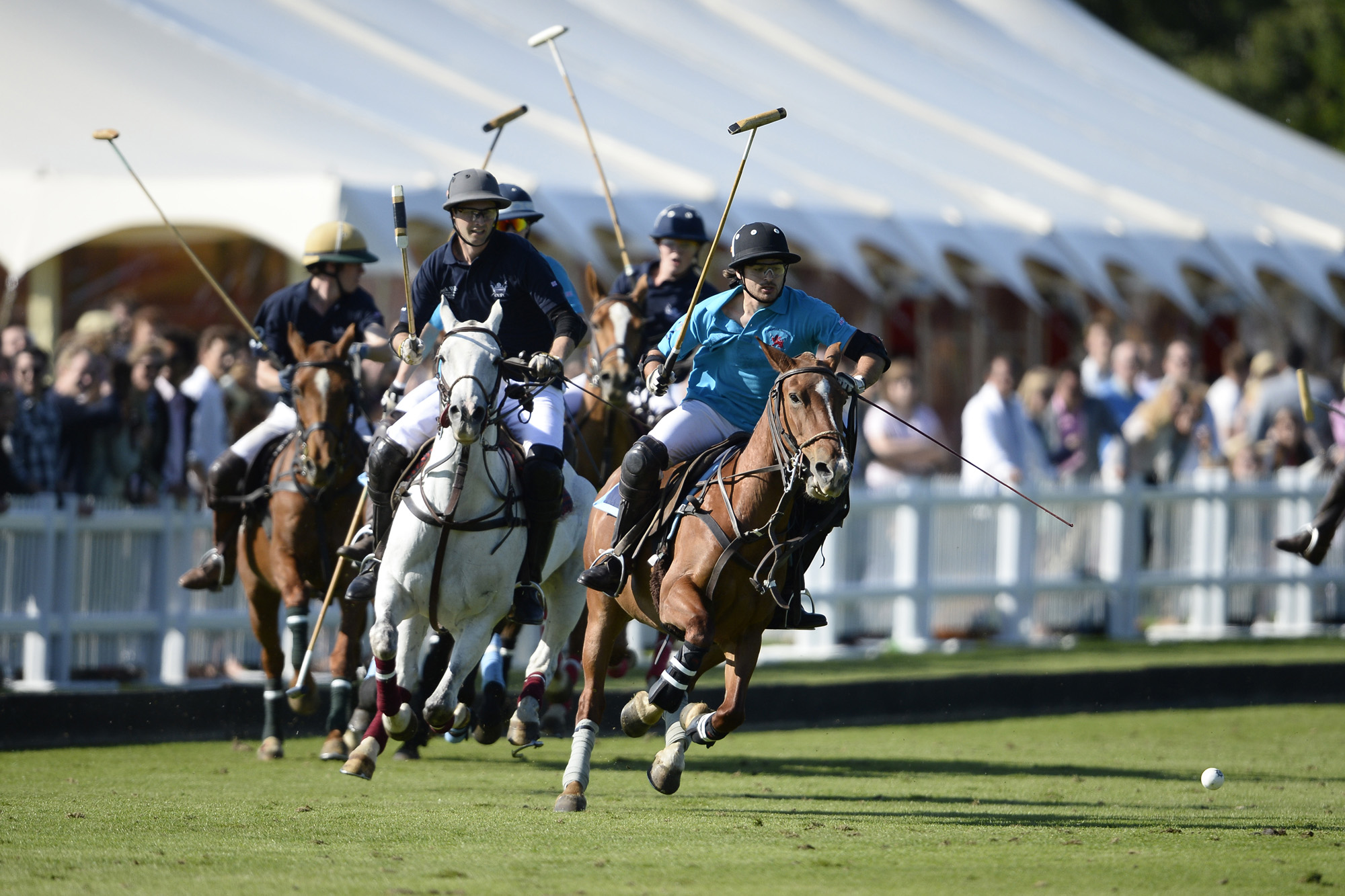
Polo is sport at its most elemental: a horse, a stick, a ball, and the largest field in organised play.
It is fast, ancient, and unmistakably its own — a game where the player is measured by a single number, the pony is said to be three-quarters of the contest, and the crowd is invited onto the pitch at half-time to stamp the turf back into place.
This field guide walks you through it from the ground up: where the game came from, how a match is actually played, what the handicap really means, the surprising family of polo variants — from Manipur's original sagol kangjei to elephant, camel and snow polo — and the rituals that endure. Read it in order, or jump to what you need.
The chapters
 01
01History & origins
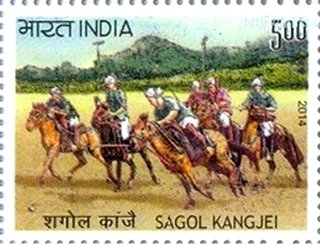
From Manipur's Sagol Kangjei to the world's oldest team sport.
02How it's played
The field, the chukka, the four positions, and the line of the ball.
 03
03The variants
Sagol kangjei, arena, snow, beach — and elephant, camel & cycle polo.
 04
04The handicap
Why a player is a number, from −2 to the rare 10-goaler.
 05
05Traditions
Divot stomping, the pony as athlete, and the spirit of the game.
06Glossary
Chukka, ride-off, nearside, BPP — the language of polo.
From the page to the pitch
Ready to explore the real thing?
Browse the registry — players and their handicaps, clubs, tournaments and the string of ponies behind every game.
Open the registry